Backing the Next Generation of Founders: NextGen
The startup mindset is moving younger.
Not that long ago, starting a company was something most people considered after university, or after spending a few years working somewhere else. That timeline is changing fast.
Today, we’re meeting high school students who aren’t just interested in startups. They’re already building them. They’re shipping products, talking to users, getting their first customers, finding traction, and in some cases tackling problems you wouldn’t expect someone their age to even have encountered yet.
The gap between having an idea and actually building a company has gotten much smaller. The tools are better, distribution is easier to access, technical knowledge is everywhere, and AI has accelerated all of it.
But the ecosystem around these founders hasn’t moved quite as fast.
A 16-year-old can build and ship a product, but they’re still unlikely to know many founders. They probably don’t have an investor they can text when they’re stuck. They haven’t had years to build a network of operators, engineers, or other ambitious founders. And when everyone around you is studying for exams, finding peers who take building a company as seriously as you do can be difficult.
We started NextGen because we think that gap matters.
If people are starting earlier, access should start earlier too.
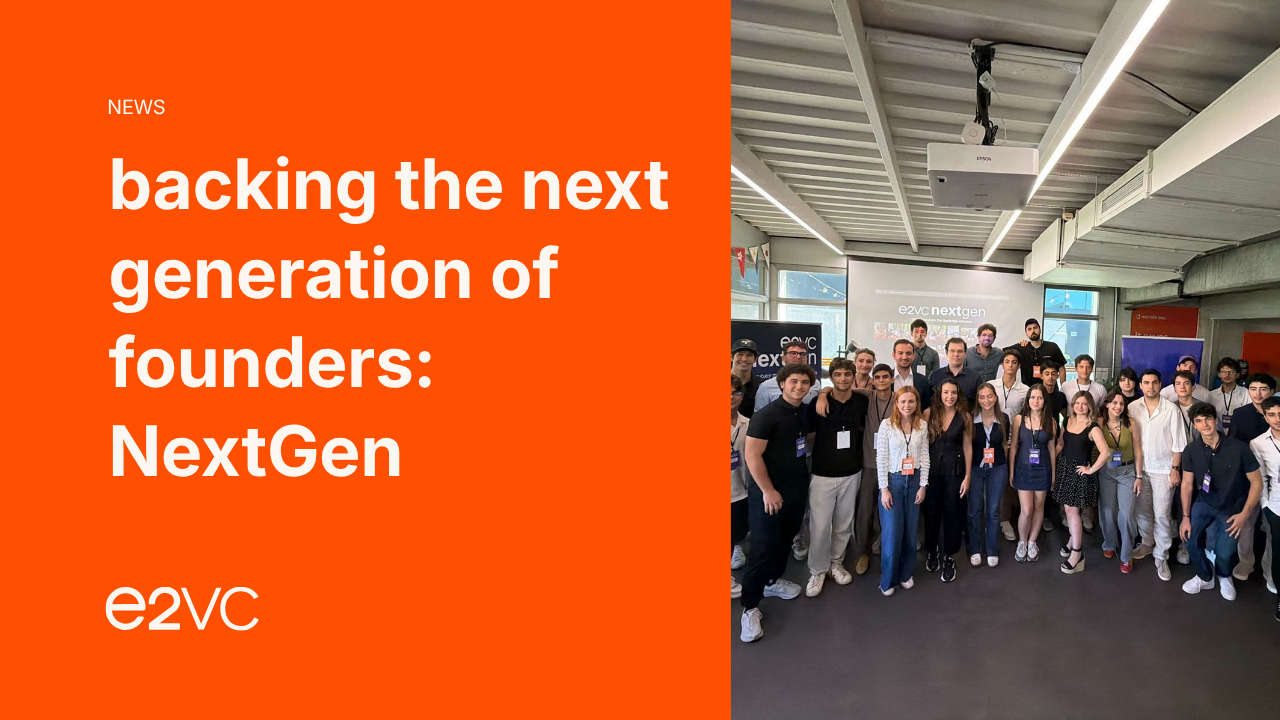
So this summer, we brought together nine high school teams for the first NextGen cohort. The idea wasn’t to teach them entrepreneurship. Most of them were already entrepreneurs by the time we met them.
We wanted to give them more of what they didn’t have yet: access to people who had done it before, a group of peers building at the same intensity, and six weeks where they could focus on pushing their companies forward.
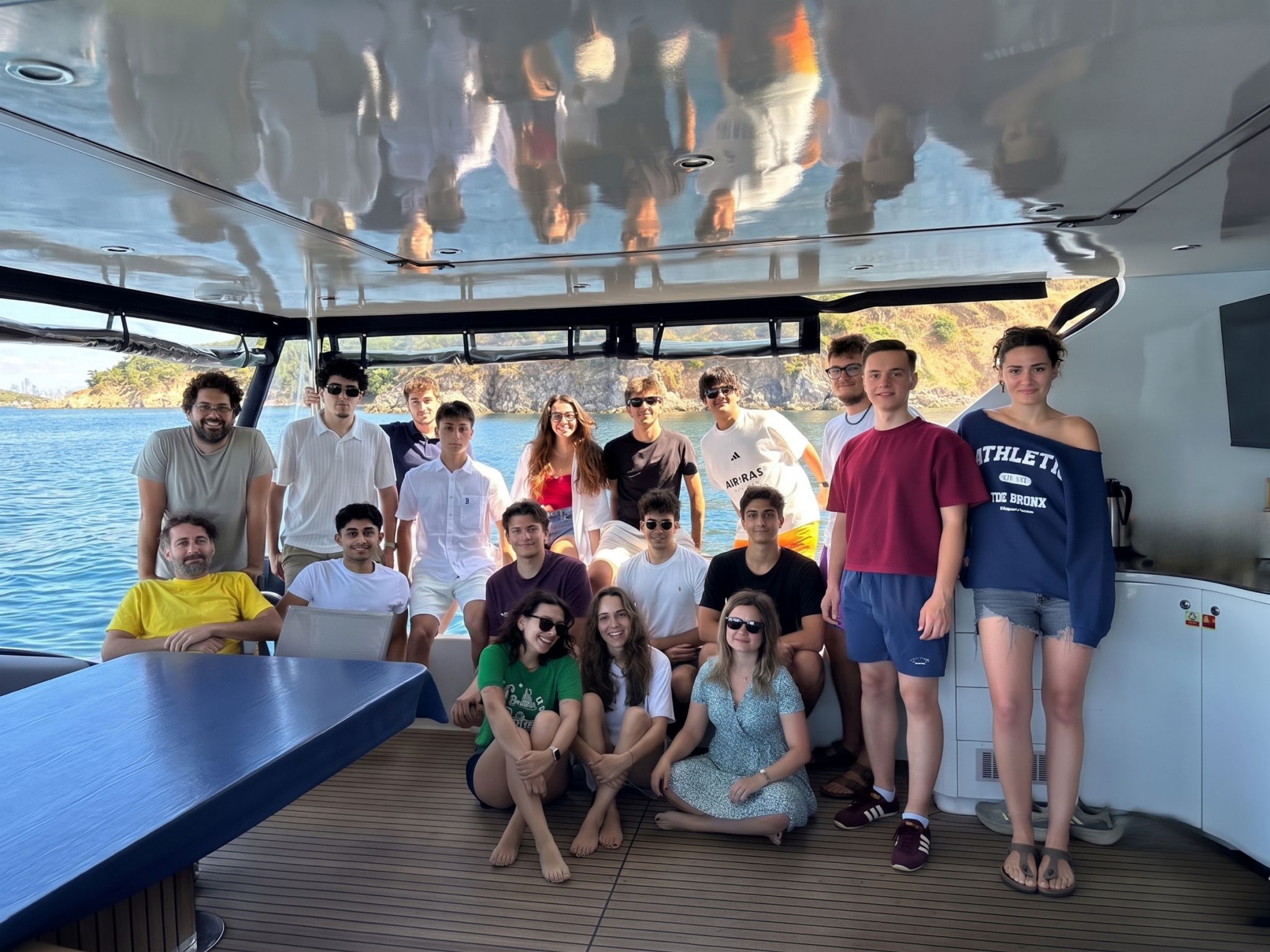
Meet the first NextGen cohort
The nine teams came into NextGen working on very different problems.
Tremony is building an AI-powered factory brain for manufacturing. Kaleon is building QA infrastructure for robot fleets. SpinVault is working on spintronics-based memory and storage. Abrams is using AI to help concrete plants reduce excess cement consumption.
Syntest is building game feel analysis for indie studios. CellWise is working on industrial master data. Loopcast is building long-term behavioral simulation for product teams.
Some started even closer to home. Two ninth graders built MirrorAP after struggling to find good AP self-study resources. The founders of PractiCo started building after facing the same problem while preparing for the Bocconi entrance exam.
Six weeks with people who have done it before
Throughout the program, we brought in founders and operators we would have wanted access to if we were building our first company.
Serhat Soyuerel, Kübra Gündoğan, Egem Eraslan, Özgün Erdoğan, Görkem Yurtseven, Anıl Şimşek, Erbil Karaman, Öncel Özgül, Alperen Adikti, Mert Kaan Atan, Burak Demir and many others spent time with the cohort.
We wanted these sessions to feel less like lectures and more like conversations the teams could actually use. They could bring in whatever they were dealing with that week, ask very specific questions, and hear how someone a few steps ahead of them had approached the same problem.
A lot of the value was simply having those people around and being able to ask.
What happens when you start earlier?
Six weeks later, all nine teams walked onto the stage at Insider One for our first NextGen Demo Day.
The top three teams received prizes, supported by Eksim Ventures, Akbank Lab, Akbank Gençlik Akademisi, and JIMCO. Seeing companies step in to support these young founders was another part of NextGen we were happy about. If we want more people to start earlier, the ecosystem around them has to be willing to show up earlier too. Having companies put real support behind founders who are still in high school is a good sign of where that ecosystem can go.
Six weeks is obviously not enough to build a company. But it is enough time to see what happens when someone young and ambitious is taken seriously.
For us, that was the interesting part.
The age at which people start companies is changing. The infrastructure around them should change with it.
This was our first NextGen. We’re already looking forward to seeing who shows up next.
NextGen will be back in 2027.